

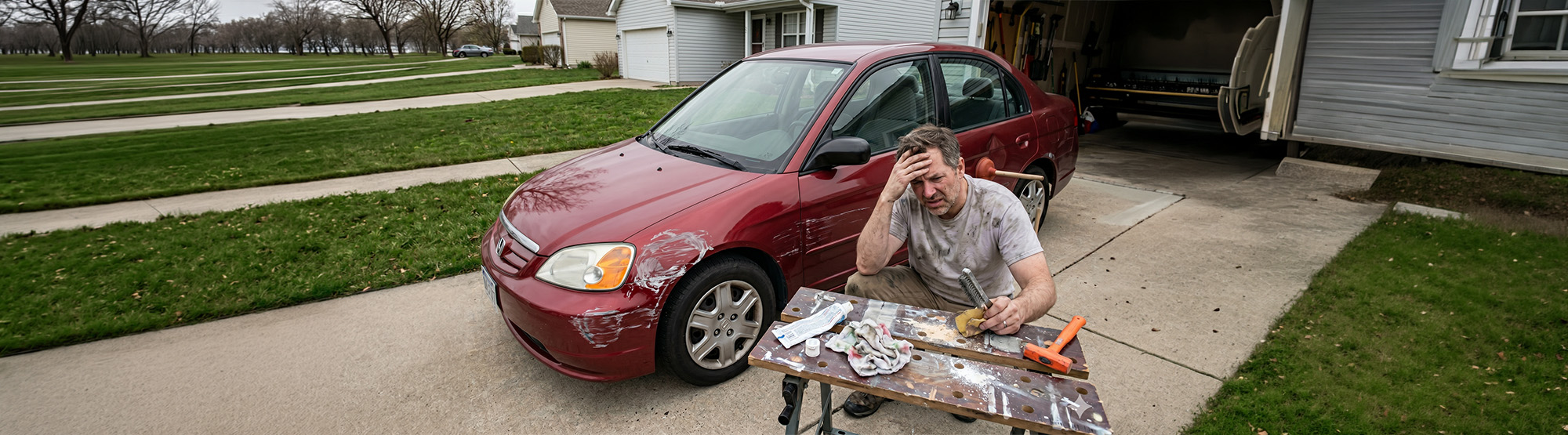
DIY Autobody Repair Disasters: Why those internet “hacks” (like using toothpaste or toilet plungers) usually cost more to fix in the long run.

We’ve all seen the viral videos: someone magically fixing a huge dent with a bathroom plunger, or buffing out a deep scratch using minty toothpaste and a bit of elbow grease. While these internet “hacks” might seem like a quick, cost-effective way to bypass the body shop, they almost always lead to DIY autobody repair disasters. What most of these quick-fix videos conveniently leave out is the immediate aftermath. Household items and makeshift tools are simply not designed to interact with delicate automotive clear coats, advanced factory paints, or modern lightweight vehicle panels. When you attempt a home remedy, you risk stripping away crucial protective layers, warping the metal even further, or causing microscopic abrasions that invite aggressive rust down the line. Instead of saving a few dollars, these temporary illusions usually escalate minor cosmetic issues into expensive, irreversible damage that requires full panel replacement or heavy repainting. Before you raid your bathroom cabinet or garage for a DIY fix, it is critical to understand the real damage these popular internet tricks can inflict on your car. Consider the hidden costs and consequences of these incredibly common online “hacks”: When it comes to protecting the value and safety of your


Read More »

10 Things to Look Out for when Choosing a Competent Autobody Repair Shop

Getting into a car accident or discovering unexpected damage to your vehicle is stressful enough without the added headache of finding a reliable repair center. Whether you are dealing with major collision damage or minor cosmetic issues like scratches and dents, selecting the right facility is crucial for your safety and your vehicle’s overall longevity. A truly competent auto body shop will not only restore your car to its pre-accident condition but also provide a seamless, hassle-free customer experience from start to finish. With so many options available across the country, knowing exactly what criteria to evaluate can help you make an informed decision and get you back on the road with total confidence. When evaluating your options, keep these 10 essential factors in mind to ensure you are choosing a highly competent autobody repair shop: If you are looking for a trusted partner that naturally meets all of these demanding criteria, look no further than Colorworks Autobody Centers. Proudly Canadian for over 35 years, Colorworks serves communities across Alberta, British Columbia, and Ontario with a steadfast commitment to fast, efficient, and cost-effective repairs. Because customer satisfaction is the ultimate measure of a shop’s reliability, it is worth noting that

Read More »

Things You Should Have In Your Vehicle for Summer

As the Canadian winter finally fades into the rearview mirror, drivers across British Columbia, Alberta, and Ontario are gearing up for the ultimate seasonal road trips. Whether you are navigating rugged mountain passes or cruising down coastal highways, the warmer weather brings its own set of unique driving challenges, from intense UV rays to unexpected road debris. Ensuring your vehicle is fully prepared before you hit the blacktop is the best way to avoid unnecessary stress on the road. At Colorworks Autobody Centers, we know that a little seasonal preparation goes a long way in keeping your car performing safely and looking its best during the sunniest months of the year. To keep your summer travels smooth and worry-free, there are a few absolute essentials you should always pack in your vehicle. Keeping your trunk and glovebox stocked with these seasonal emergency and maintenance items ensures you are ready for any situation: While having the right gear on board is crucial, ensuring your vehicle’s exterior can handle the summer elements is just as vital. Intense summer sun can accelerate paint oxidation and cloud your lenses, while gravel from highway construction frequently causes annoying bumper scuffs, minor dents, and paint chips.

Read More »

Scratch vs. Scrape: When Can a Blemish Be Buffed Out, and When Does It Require a Professional Touch-Up?

We’ve all experienced that sinking feeling: you walk out to your vehicle in a Canadian parking lot and spot an unwelcome line marring your otherwise flawless paint. Before you panic, it’s important to understand the difference between a superficial surface scratch and a deep, structural scrape. The easiest way to diagnose the damage is the classic “fingernail test.” If you gently run your fingernail across the blemish and it glides smoothly without catching, you’re dealing with a minor clear-coat scratch. These superficial marks—often caused by automatic car washes, overgrown hedges, or stray road debris—only affect the transparent protective top layer of your vehicle. Because the underlying paint remains completely intact, these minor clear-coat blemishes can typically be buffed and polished out to restore your car’s original showroom shine. However, when a blemish cuts deeper into your vehicle’s skin, it crosses the line into a scrape that requires professional intervention. Scrapes penetrate through the clear coat, bypassing the paint layer and exposing the primer or even bare metal beneath. Typically caused by runaway shopping carts, tight parking garage pillars, or minor fender benders, these deep gouges leave your vehicle highly vulnerable to moisture, harsh Canadian winter road salt, and eventual rust.

Read More »

Damage Picture Tips

To help us better assess your damage, please use the following tips to take the best pictures possible to send us. Try and keep the resolution from medium to high. You can attach up to 5 pictures.
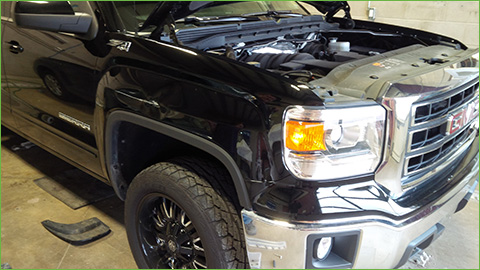
Take a picture from a distance so that we can see where the damage is in relation to your vehicle.
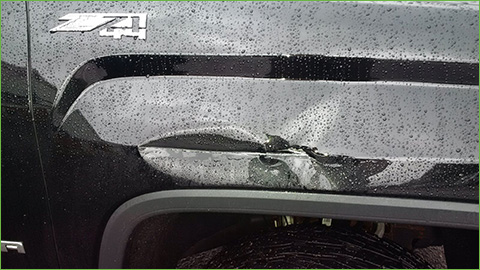
Take a close up, so we can see more of the detail of the damage.
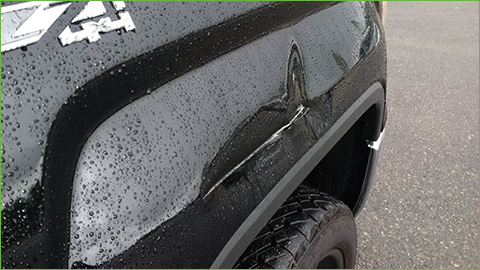
A close up from another angle is always useful as well so we can see where the damage is in relation to other panels.

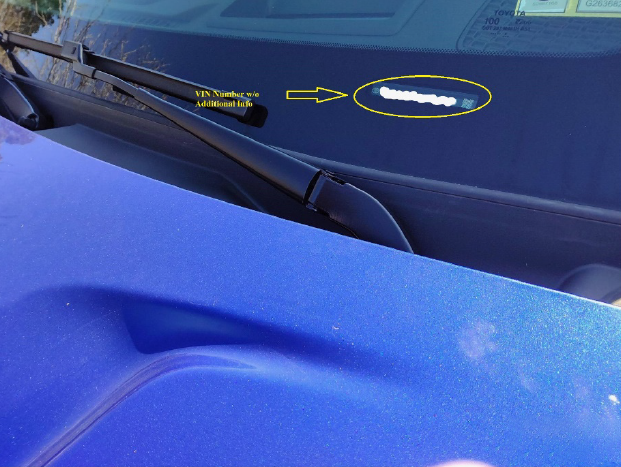
What is a VIN Number & Where to Find it

A VIN, or Vehicle Identification Number, is a unique 17-character alphanumeric code used to identify a vehicle. It acts as a vehicle’s fingerprint, containing information about its manufacturer, year, make, model, and other key specifications.

PLEASE NOTE: Your vehicle’s VIN# does not include any personal information about you.

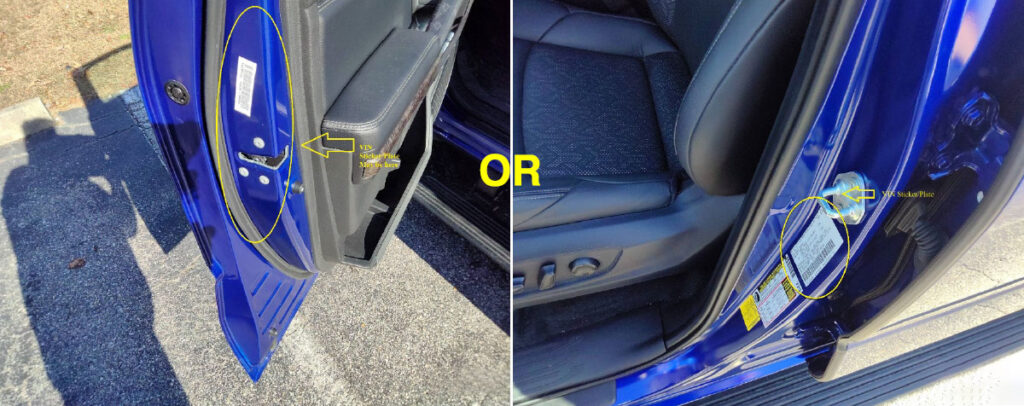
Two pictures to show where to locate your vehicle VIN number.
picture to show where to locate your vehicle VIN number.