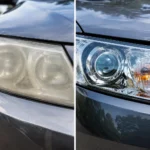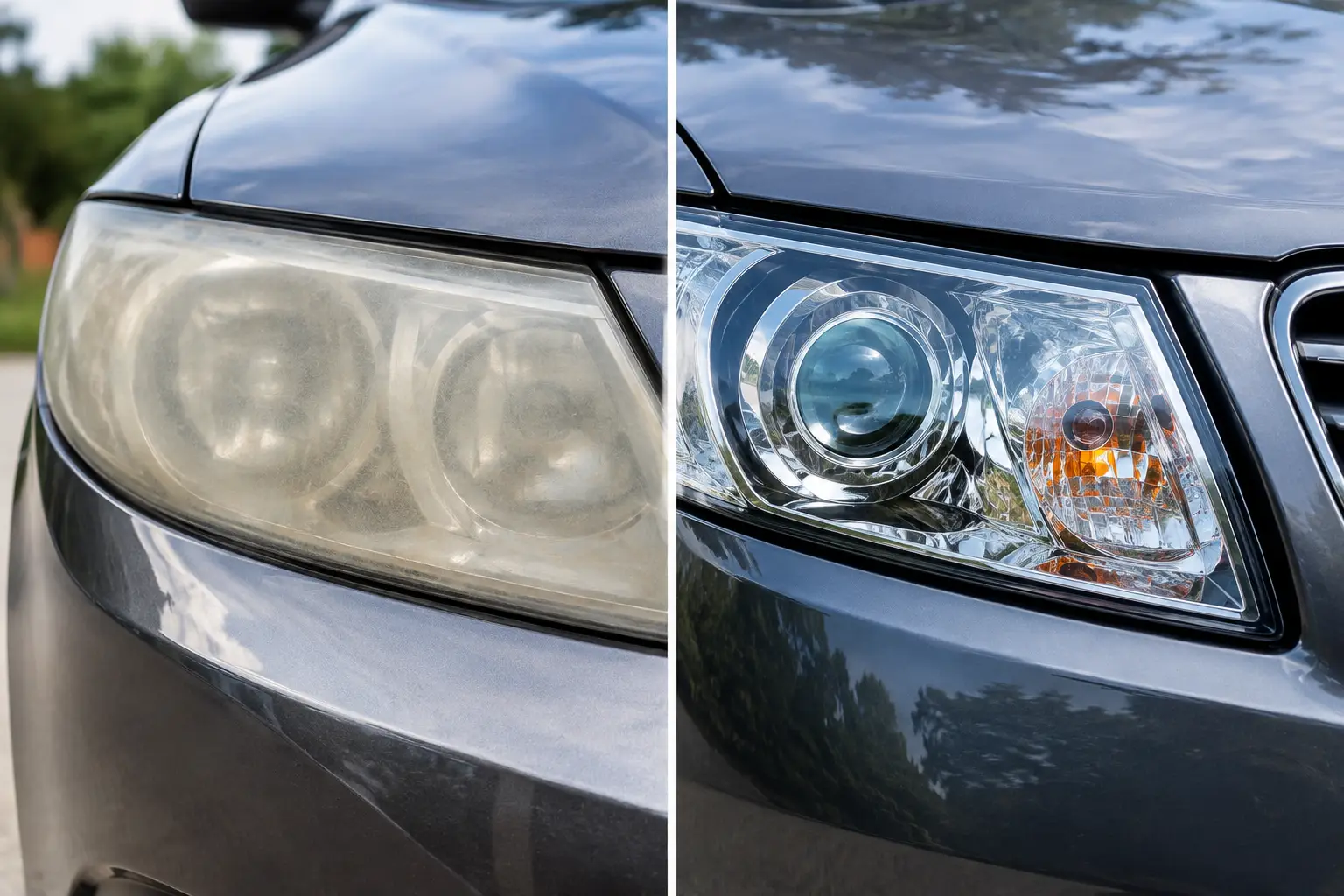
Headlight restoration service in progress on a car at Colorworks.

Headlight Restoration: Staying Safe During Dark Canadian Winters

As the days get shorter and the snow begins to fly, visibility becomes your most important safety asset on the road. Many Canadian drivers don’t realize that cloudy, yellowed headlights can reduce your night-time visibility by as much as 80%. This oxidation is caused by UV exposure and harsh road salts, creating a dangerous “fog” over your bulbs that scatters light instead of focusing it on the road. At Colorworks, we know that being able to spot a patch of black ice or a deer on a snowy highway is the difference between a safe trip and a costly accident. Professional headlight restoration is more than just an aesthetic upgrade; it is a critical safety maintenance step for the winter season. While many DIY kits offer a temporary “quick fix,” they often lack the industrial-grade UV sealant required to keep the plastic from yellowing again within weeks. Our professional restoration process at Colorworks involves a multi-stage sanding and polishing technique, finished with a high-durability clear coat specifically designed to withstand the Canadian climate. Here is why you should prioritize clear lenses this season: Don’t let a “foggy” lens compromise your safety this winter. Whether you are navigating the slushy streets

Read More »
Vehicle showing multiple hail-impact dents on its body panels after a hailstorm.

Hail Damage Repair: PDR vs. Traditional Body Work at Colorworks

Unpredictable Canadian weather can bring sudden hailstorms that leave your vehicle looking like a golf ball. When it comes to restoring your car’s exterior, the two main paths are Paintless Dent Repair (PDR) and traditional body repair. At Colorworks, our goal is always to use the least invasive method possible. PDR is often the “gold standard” for hail damage because it allows our technicians to massage dents out from behind the panel without the need for sanding, fillers, or repainting. This not only speeds up the process but also ensures your vehicle retains its original factory finish, which is crucial for maintaining long-term resale value. While PDR is incredibly effective for most hail-related dings, some storms are severe enough to require traditional auto body repair. If the hail was large enough to crack your paint or if the metal has been significantly stretched, a professional respray and panel work become necessary to prevent future rust and corrosion. Choosing between the two depends on the severity of the impact, and our certified team across Canada is trained to provide an honest assessment of which method is right for your specific situation. Here is how the two methods compare: Whether your car

Read More »
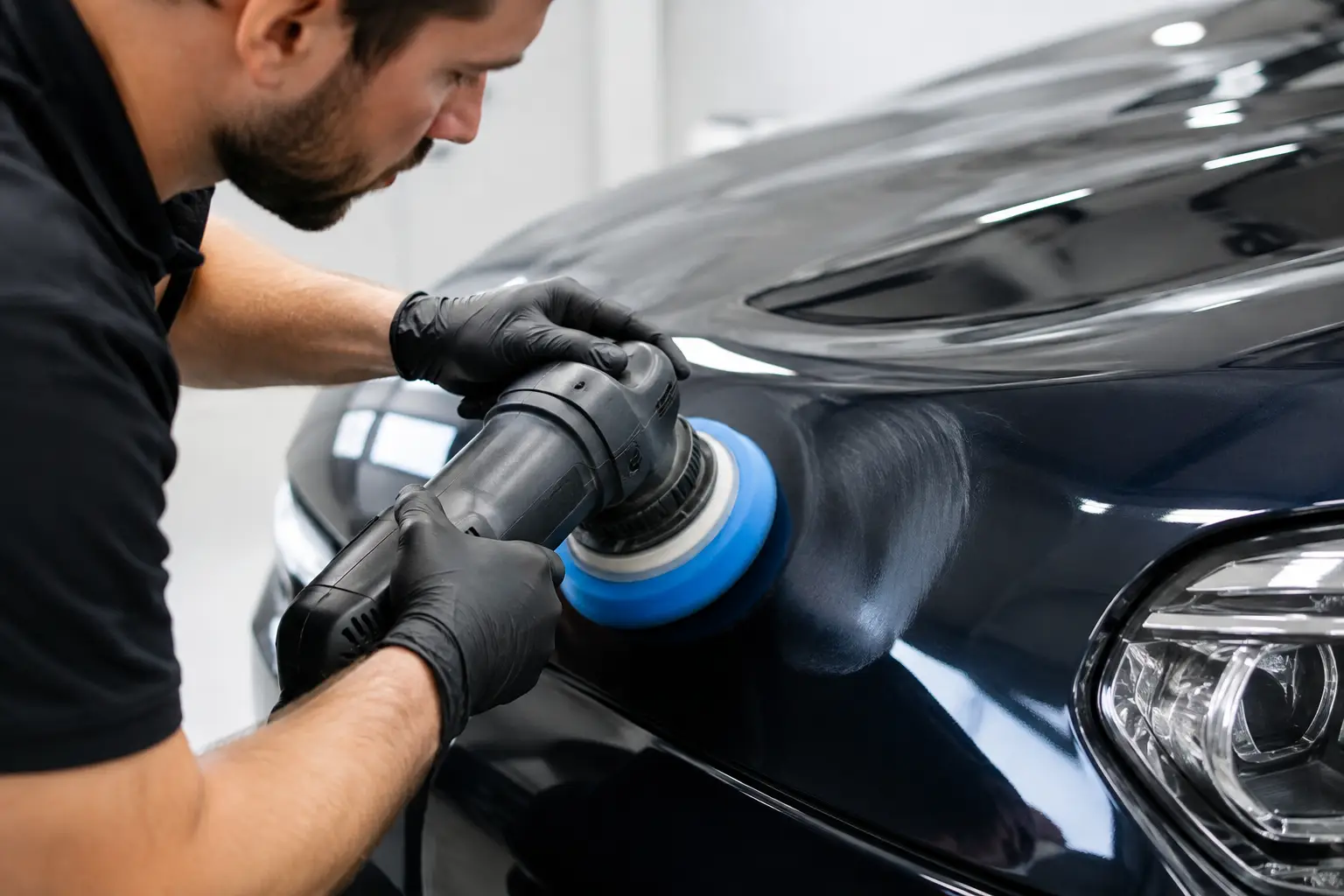
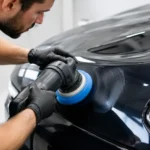
Colorworks technician performing paint correction on a vehicle.

DIY vs. Professional: When to Reach for a Touch-Up Pen or Visit Colorworks

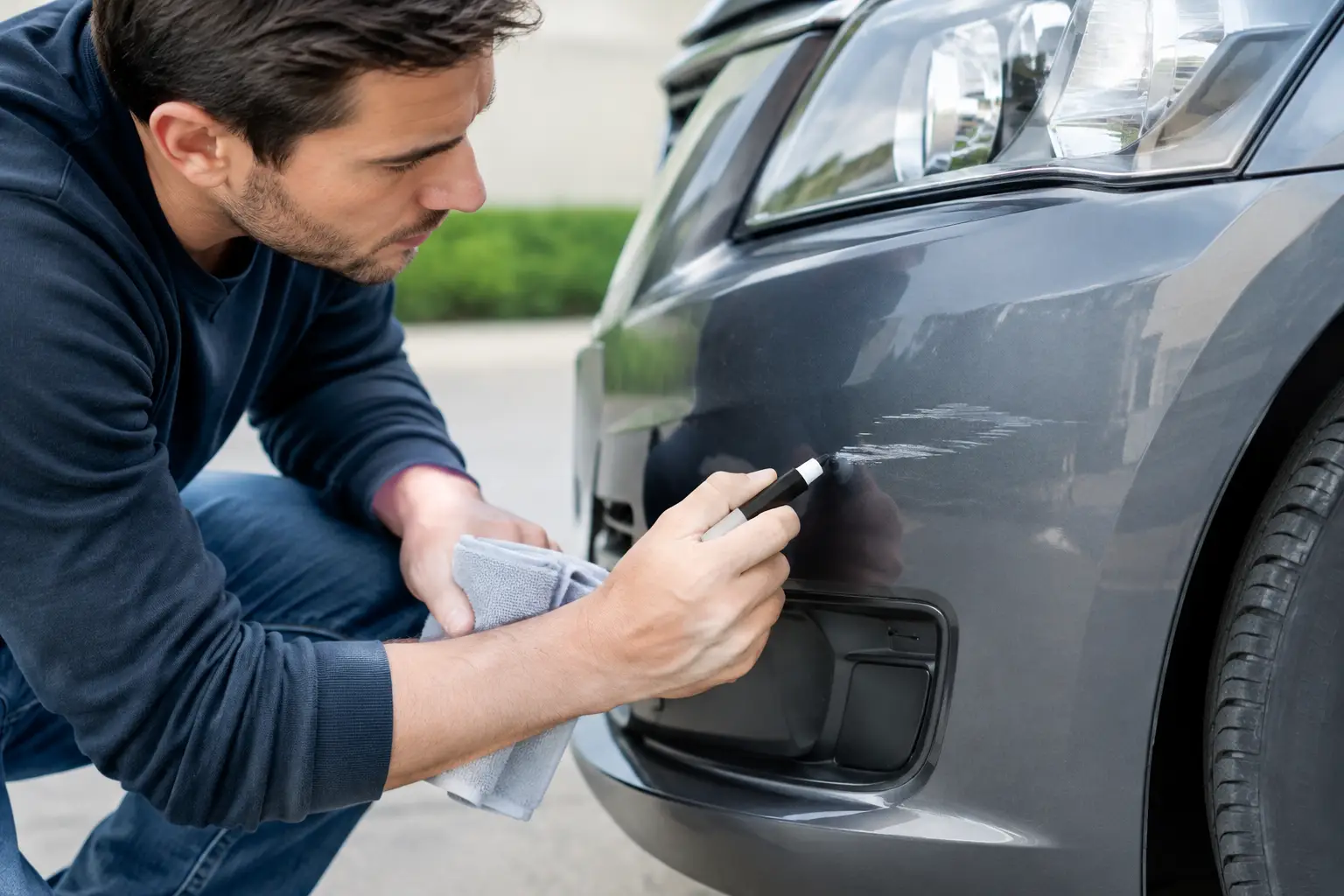
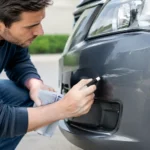
Every Canadian driver knows the sinking feeling of discovering a fresh chip or scratch on their car’s finish. When it comes to minor repairs, a DIY touch-up pen can be an effective and budget-friendly solution for tiny “flea bites” or rock chips that haven’t yet reached the metal. These pens are designed for small, isolated areas where the goal is simply to cover the blemish and prevent rust. However, if the damage covers a larger surface area, involves deep gouges, or if you can see bare metal or plastic, a DIY fix often results in a patchy, uneven texture that can actually hurt your car’s resale value. At Colorworks, we see many “DIY repairs gone wrong” that eventually require a professional respray to fix correctly. Professional repair is essential when the structural integrity of the paint is compromised or when you need a seamless, invisible finish. Our Canadian technicians use advanced computerized color-matching technology to ensure the new paint blends perfectly with your existing coat—something a generic retail pen simply cannot do. You should opt for a professional service if you notice the following: Ultimately, while a touch-up pen is a great tool for your glovebox to handle minor road

Read More »
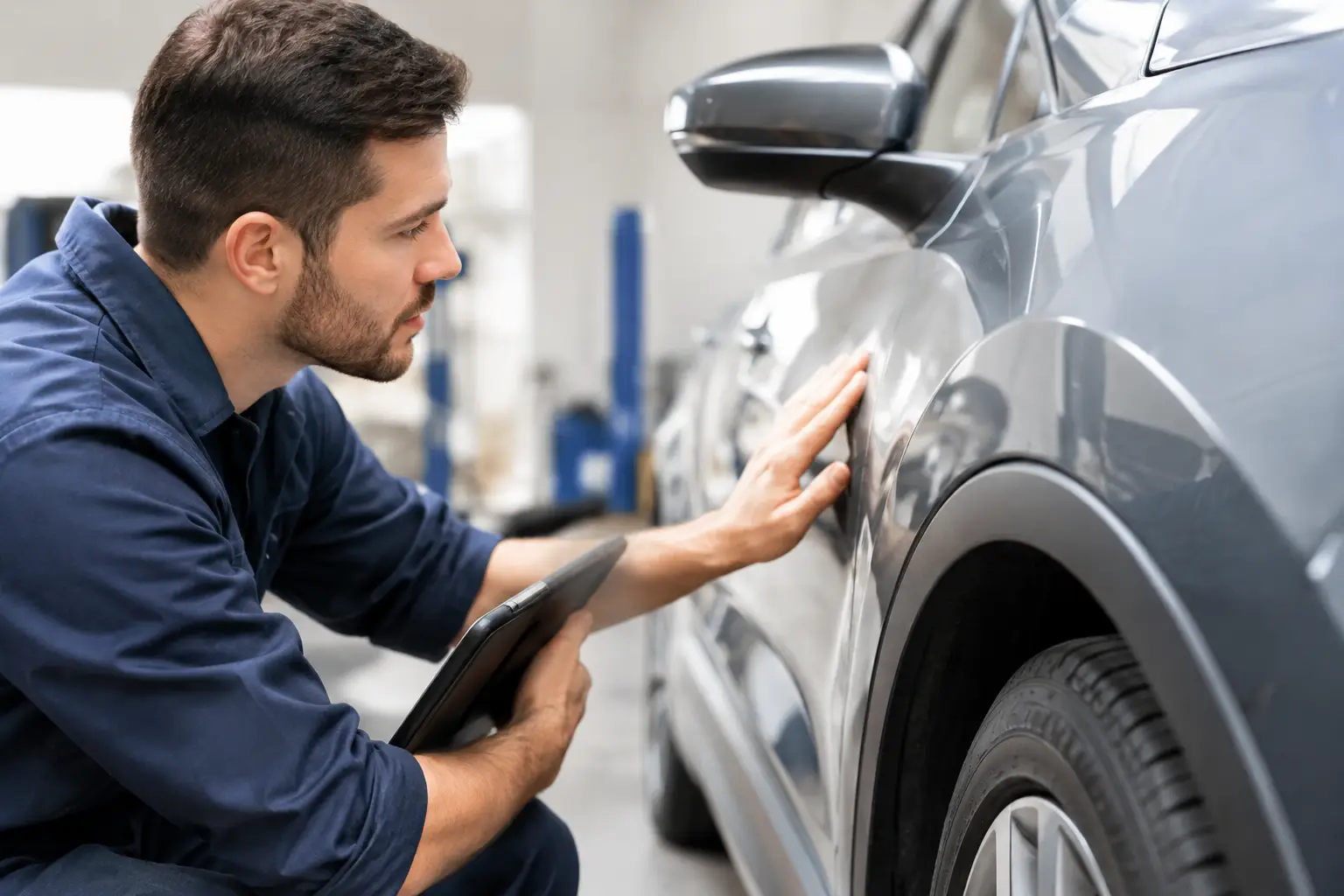
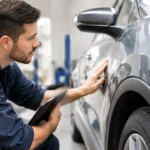
Technician performing dent repair on a vehicle at Colorworks.

Why Paintless Dent Repair (PDR) Is the Smartest Choice for Minor Dents

When your vehicle picks up dents and dings, you don’t want the repair process to drag on or cost a fortune. That’s why Paintless Dent Repair (PDR) is the preferred method for fast, affordable, professional dent removal. Why PDR Works So Well PDR restores your vehicle’s panels to their original shape without sanding or repainting. This ensures: At Colorworks Express Autobody Centers, our certified technicians use advanced PDR tools and lighting systems to produce flawless results, even on complex dents or hail damage.

Read More »

Damage Picture Tips

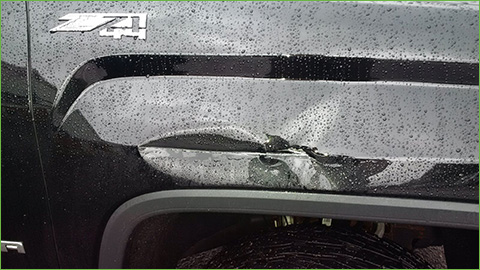
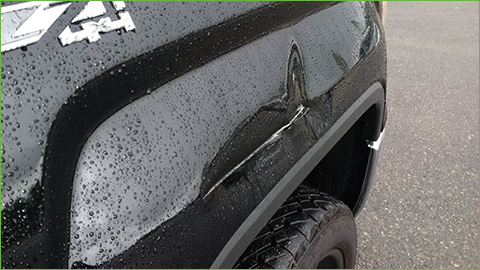
To help us better assess your damage, please use the following tips to take the best pictures possible to send us. Try and keep the resolution from medium to high. You can attach up to 5 pictures.
Take a picture from a distance so that we can see where the damage is in relation to your vehicle.
Take a close up, so we can see more of the detail of the damage.
A close up from another angle is always useful as well so we can see where the damage is in relation to other panels.

What is a VIN Number & Where to Find it

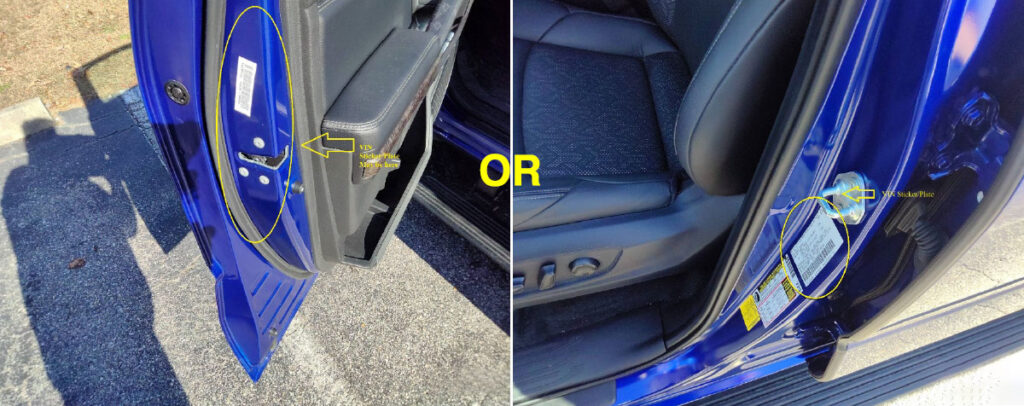
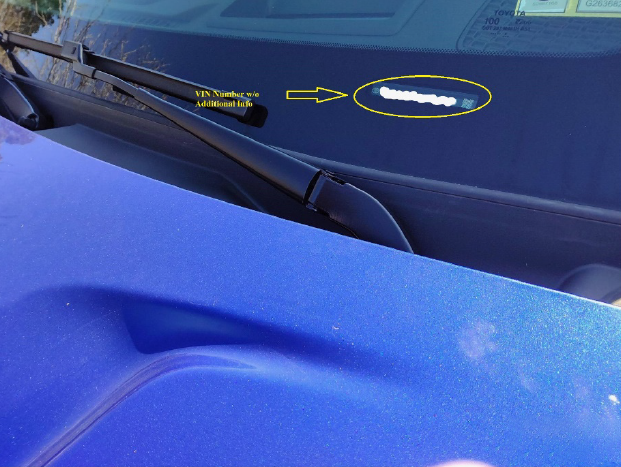
A VIN, or Vehicle Identification Number, is a unique 17-character alphanumeric code used to identify a vehicle. It acts as a vehicle’s fingerprint, containing information about its manufacturer, year, make, model, and other key specifications.

PLEASE NOTE: Your vehicle’s VIN# does not include any personal information about you.

Two pictures to show where to locate your vehicle VIN number.
picture to show where to locate your vehicle VIN number.